Camera & Creator / PRODUCT GUIDE
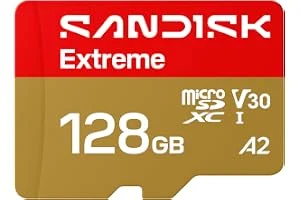
SanDisk Extreme 128GB microSD: check the adapter before shooting
A small UHS-I card built for compatible phones, action cameras and drones. Its V30/A2 markings are useful, but this listing’s adapter wording needs a careful package check.
As an Amazon Associate I earn from qualifying purchases.
View SanDisk Extreme 128 GB microSD with adapter on Amazon (paid link) ↗
Match this Amazon item to the newer card model
ASIN B0G8LLXFJH is listed as a SanDisk Extreme 128GB microSD card and cross-references to model SDSQXH9-128G-GZ6MA. SanDisk’s current model page lists the card as microSDXC UHS-I with A2, U3 and V30 markings. The exact model matters because older 128GB Extreme microSD cards have different speed figures. SanDisk’s page lists up to 245MB/s read and 120MB/s write for this capacity; those are peak claims from internal testing and require a compatible host and reader.
V30 and A2 answer different questions
U3/V30 describe video-oriented write-class performance: SanDisk defines V30 as a 30MB/s sustained video capture rate. A2 is a separate application-performance class, with the maker specifying random I/O thresholds and noting results can vary by host and app. In practical terms, V30 is the mark to check for video capture, while A2 can matter when a supported phone or handheld device runs apps from the card. Neither label overrides the camera or device manual.
A microSD card fits devices that use the smaller format
The tiny card format is common in compatible action cameras, drones, Android devices and handheld systems. That makes it convenient for a camera that records directly to microSD, but the small shell is easy to misplace and often requires a careful removal routine. The host must support microSDXC and the card’s 128GB capacity. A card that physically fits may still be unsupported by an older device or a particular recording mode.
Do not count on the included SD adapter without checking
The Amazon item name suggests a full-size SD adapter, but SanDisk’s official page for model SDSQXH9-128G-GZ6MA says “card only.” That difference matters for a camera such as Ryan’s Lumix S5 II, which uses full-size SD slots. Check the live offer’s selected bundle and included-items list before ordering; if no adapter is included, this microSD card cannot go directly into the S5 II. For a main camera that uses full-size SD, the SanDisk Extreme PRO 128GB SD guide above is the cleaner match.
Where V30 can fit—and where it can fall short
SanDisk markets this card for compatible 4K and 5K capture, but its own disclosures say video support depends on the host, file attributes and other factors. Use it only for a recording mode whose camera manual allows V30 or lower. A higher-bitrate or high-frame-rate mode may require a faster card class. Look up the exact mode, not only the camera’s maximum resolution, before recording a long or important take.
Read speed depends on your reader as well
The 245MB/s read figure is not a promise that transferring files over any USB port will take place at that speed. SanDisk says performance depends on the host, interface and use conditions, and its QuickFlow reader is sold separately. If a phone, drone or reader transfers slowly, the card may not be the limiting component. Consider the card and reader together when fast offloads are the reason for upgrading.
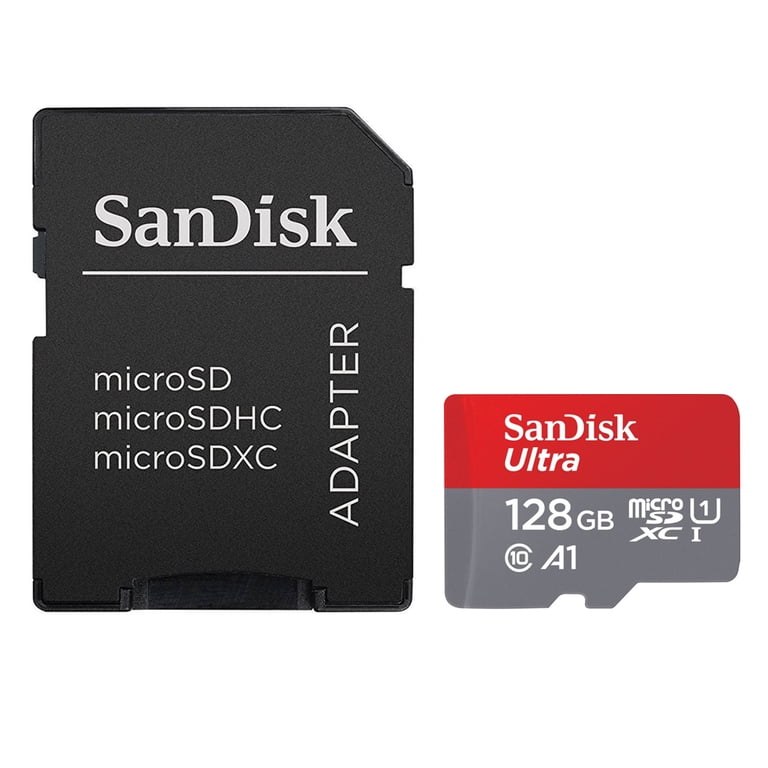
Compare SanDisk Ultra for general phone storage
The SanDisk Ultra 128GB microSD with SD adapter is a simpler comparison for compatible devices that mainly need extra storage for files and lower-demand video. SanDisk lists that card as A1/U1 and gives it a lower speed class than this Extreme V30/A2 model. That makes the Ultra less suitable for demanding video capture, but potentially a better fit when price and everyday storage matter more than V30 capture capability. Verify the exact model and host support for either card.
The tradeoffs are format, capacity and bundle uncertainty
128GB may be enough for a short outing, but footage at higher bitrates fills cards quickly; capacity alone does not protect a shoot, so back up important clips promptly. microSD is convenient for small devices but less convenient in a full-size SD camera unless the offer includes an adapter. SanDisk’s advertised transfer rates also require compatible hardware. The safest buy is the exact verified model for a device whose manual lists the required format and speed class.
Who should consider this exact 128GB card
Consider it for a compatible microSDXC device that records at V30 or lower, benefits from A2 app performance, and can use a 128GB card. Compare the Ultra when you need general storage at a lower class. If you plan to use a full-size SD camera, first confirm an adapter is actually included—or choose a full-size card. This guide is based on SanDisk’s model specifications and the linked listing; Ryan has not claimed to own or test this exact ASIN.
Compare the shopping options
SanDisk Extreme 128GB microSD — exact listing
Compare SanDisk Ultra 128GB microSD with adapter
Product photo: Walmart product photo
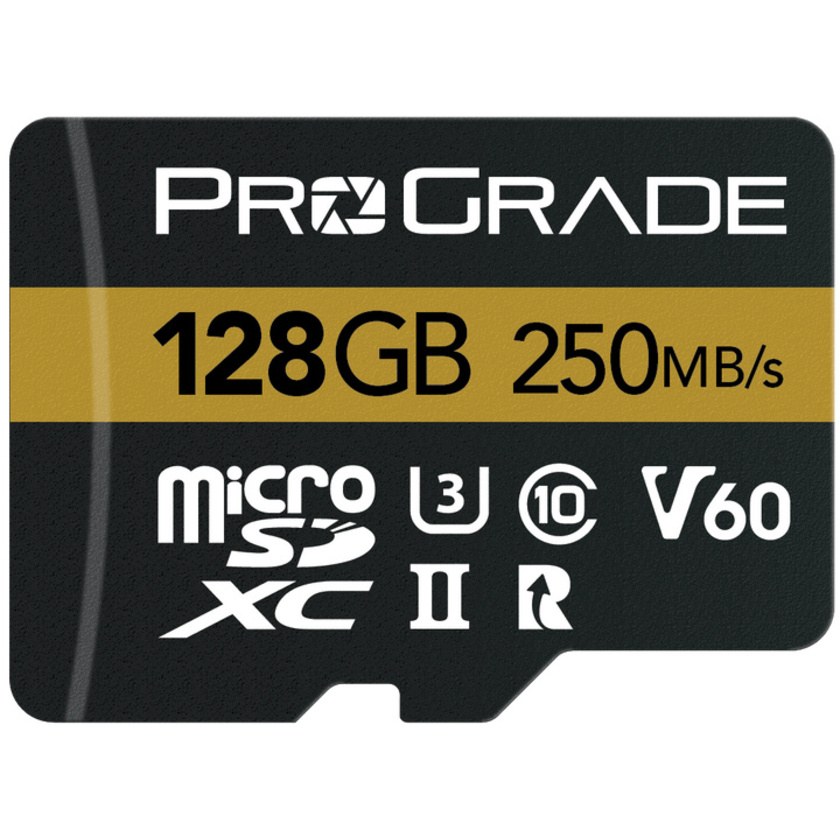
Compare a higher-class microSD option
Product photo: Rubber Monkey product photo
Sources and review basis
Researched November 18, 2026. Ryan’s own experience is attributed where supplied. Other judgments are buying advice based on the cited product information, not a hands-on comparison or laboratory test. Prices and availability are checked at the retailer.
- Amazon listing for SanDisk Extreme 128GB microSD, ASIN B0G8LLXFJH (paid link)
- SanDisk official page for model SDSQXH9-128G-GZ6MA: 128GB speed figures, A2/U3/V30 and card-only package
- SanDisk Ultra 128GB microSD with adapter: official U1/A1 comparison specifications
- SanDisk Ultra microSD official datasheet
- ProGrade Digital UHS-II V60 microSD card official specifications
- Product photo: Compare SanDisk Ultra 128GB microSD with adapter
- Product photo: Compare a higher-class microSD option