Camping, Outdoors & Garden / PRODUCT GUIDE
Sawyer SP129 Squeeze: a field filter with excellent longevity and important limits
The SP129 kit uses Sawyer’s 0.1-micron absolute hollow-fiber filter with two 32-ounce pouches, bottle and hydration-pack adapters, tubing and cleaning tools. It is a flexible backcountry system for bacteria, protozoa and microplastics—not a purifier for viruses, salt water, dissolved chemicals or heavy metals.
As an Amazon Associate I earn from qualifying purchases.
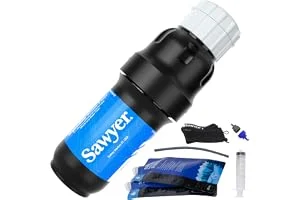
Match the SP129 kit before comparing prices
ASIN B00B1OSU4W is Sawyer model SP129. Sawyer’s kit list includes the Squeeze filter, two 32-ounce pouches, straw, cleaning coupling, plunger, gravity tubing, hydration-pack adapters and a storage bag. Other Sawyer Squeeze listings can include one pouch, different pouch sizes or fewer adapters. Confirm the model number and box contents rather than assuming every Squeeze bundle is identical.
The 0.1-micron absolute filter targets biological hazards
Sawyer says the filter removes bacteria, protozoa, cysts, sediment and microplastics using 0.1-micron absolute hollow-fiber membranes. “Absolute” describes the maker’s pore-size specification. This makes the filter useful for many freshwater backcountry sources when used correctly. It does not make visibly poor water automatically safe; choose the best source available and follow local water advisories.
Know what it does not remove
Sawyer explicitly says its standard Squeeze filters do not remove viruses, dissolved chemicals, pesticides, heavy metals or salt. That distinction matters around agricultural or industrial runoff, floodwater, brackish water and locations with known viral contamination. When the hazard is unknown or outside the filter’s capability, use an appropriate purifier or another verified water source instead of relying on the SP129.
Four workflows make the kit versatile
You can squeeze a filled pouch, drink through the straw, attach the filter to many standard 28mm threaded bottles, use the supplied gravity tubing, or place it inline with a compatible hydration system. Test the exact bottle and reservoir before a trip; thread shapes and hose sizes vary. Keep a clean-water container separate from dirty-water pouches so the outlet and drinking surfaces are not cross-contaminated.
The filter is light, but the complete kit is not just the filter
Sawyer lists the filter itself at about three ounces and the full SP129 system around 8.19 ounces. The extra pieces add options but also add parts to organize. A solo day hiker may carry only the filter, one pouch and cleaning coupling, while a group or base camp may benefit from the gravity tube and adapters. Choose the pieces required for the route instead of treating every accessory as mandatory.
Backwashing protects flow and the published service life
Sawyer rates the filter up to 100,000 gallons with proper care, but that is a maintenance-dependent maximum rather than a promise of constant flow. Backwash with clean water when the flow slows and follow the maker’s sanitizing and storage instructions. Do not let a wet hollow-fiber filter freeze; freezing can damage the fibers in a way that may not be visible. If freezing might have occurred, follow Sawyer’s replacement guidance.
Field hygiene matters as much as the membrane
Mark dirty pouches, protect the clean outlet and wash hands before handling clean-water surfaces. Keep untreated droplets from the pouch exterior out of the clean bottle. Inspect the pouches, caps and O-rings before leaving, and carry a backup treatment method appropriate to the trip. A filter is part of a water plan; it is not a substitute for route knowledge and adequate water capacity.
Compare LifeStraw Peak 1L for a simpler bottle-style kit
The photographed LifeStraw Peak Series one-liter collapsible squeeze bottle combines a 0.2-micron membrane microfilter with a one-liter reservoir. LifeStraw lists it at 3.2 ounces and rates the membrane to 2,000 liters or 500 gallons. It is a compact all-in-one alternative, but its published life is far below Sawyer’s maintained 100,000-gallon figure and it shares the same general limitation against dissolved chemicals and salt.
Compare Katadyn BeFree 1L for fast drink-and-go flow
The photographed Katadyn BeFree 1.0L uses a 0.1-micron hollow-fiber filter and collapsible flask. Katadyn lists about 63 grams, up to two liters per minute and up to 1,000 liters depending on water quality. Its wide-mouth soft flask and shake-clean routine are convenient for quick fills. It is a different maintenance and lifespan tradeoff from Sawyer’s backwashable system, and availability may vary as Katadyn updates the BeFree line.
The buying call
Choose the Sawyer SP129 if you want a long-lived, backwashable freshwater filter with pouches, bottle compatibility and hydration/gravity adapters. Choose LifeStraw Peak for a lighter bottle-style kit or BeFree for a soft-flask system with fast published flow. Do not use any of these membrane filters as a blanket answer for viruses, chemical contamination, heavy metals or salt water. Ryan has not claimed to own or test the SP129; this is source-based buying guidance.
Compare the shopping options
LifeStraw Peak 1L — collapsible squeeze bottle with a 0.2-micron membrane filter
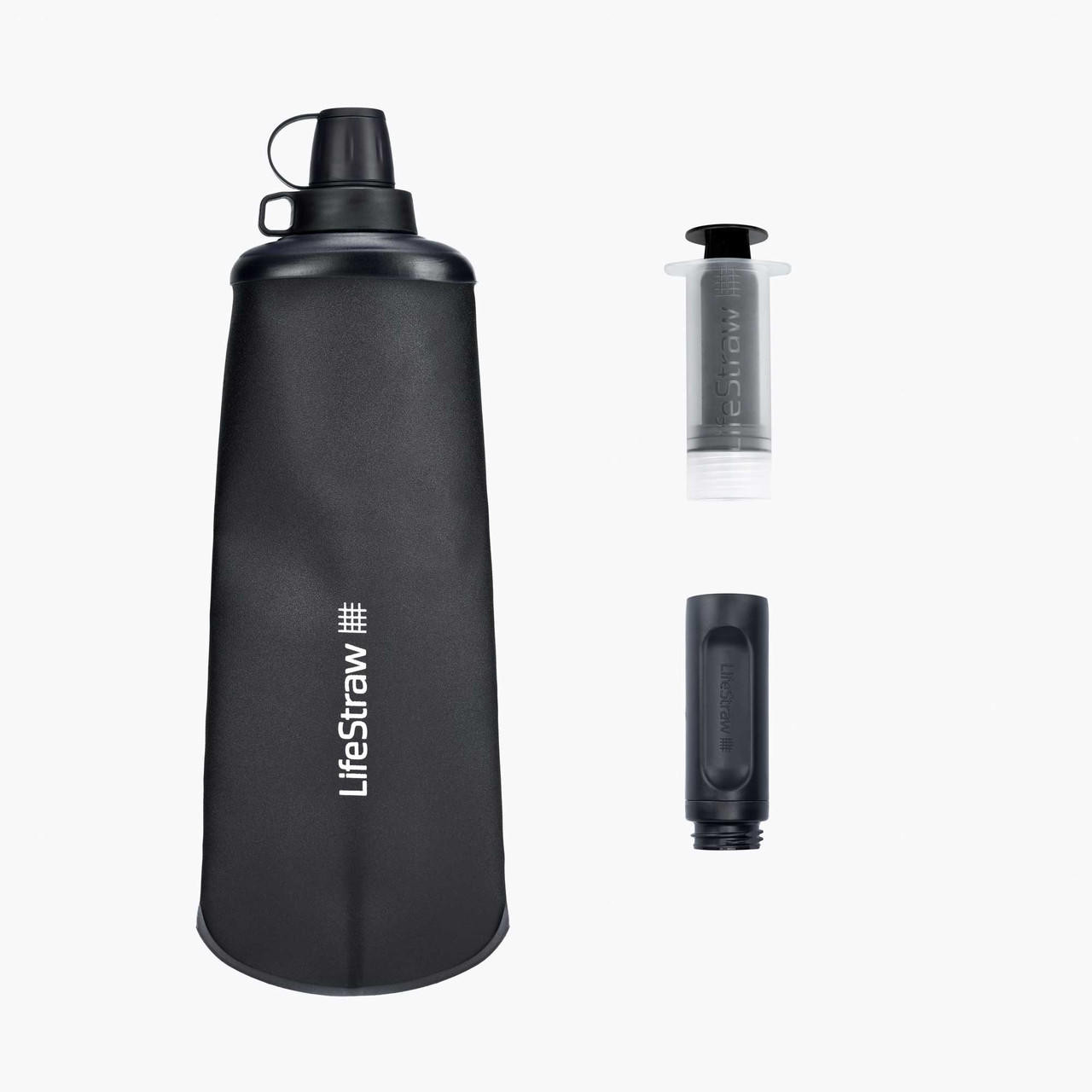
Product photo: Ultralight Outdoor Gear retailer product photo
Katadyn BeFree 1L — lightweight soft-flask filter with fast published flow
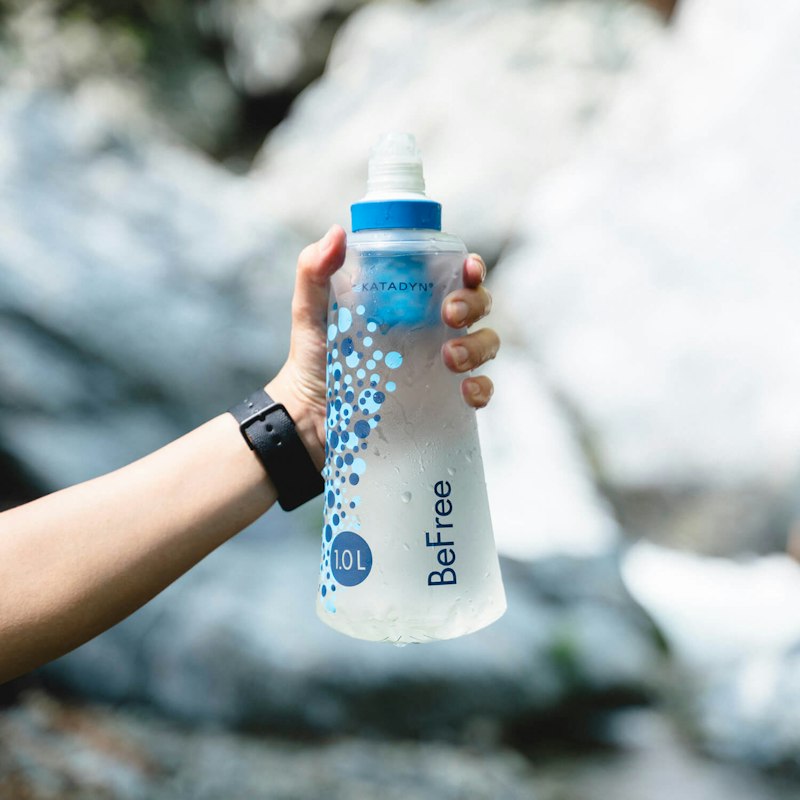
Product photo: YAMAP Store retailer product photo
Sources and review basis
Researched November 19, 2026. Ryan’s own experience is attributed where supplied. Other judgments are buying advice based on the cited product information, not a hands-on comparison or laboratory test. Prices and availability are checked at the retailer.
- Sawyer official SP129 product page, kit contents, weight and 0.1-micron specification
- Sawyer official FAQ, contaminant limits, maintenance, freezing and longevity
- Amazon listing for Sawyer SP129 Squeeze, ASIN B00B1OSU4W (paid link)
- LifeStraw official Peak Series one-liter collapsible squeeze specifications
- Katadyn official BeFree 1.0L weight, flow and capacity specifications
- Katadyn official BeFree user manual
- Product photo: LifeStraw Peak 1L — collapsible squeeze bottle with a 0.2-micron membrane filter
- Product photo: Katadyn BeFree 1L — lightweight soft-flask filter with fast published flow