Camera & Creator / PRODUCT GUIDE
Shure SM58: a vocal workhorse that still needs an XLR signal chain
The SM58 is a cardioid dynamic vocal microphone with a 50 Hz–15 kHz response, metal body, internal pneumatic shock mount and built-in spherical pop filter. It is made for close speech and singing through an XLR input, not direct USB recording; the interface, cable, stand and gain available in your system matter as much as the microphone itself.
As an Amazon Associate I earn from qualifying purchases.
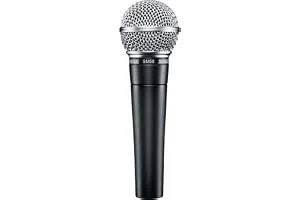
View Shure SM58 Pro XLR Dynamic Vocal Microphone on Amazon (paid link) ↗
Match the exact SM58 package and switch version
ASIN B000CZ0R42 is the Shure SM58 Pro XLR dynamic vocal microphone represented in the catalog. Shure sells SM58-LC without a cable, SM58-CN with an XLR cable and SM58S with an integrated on/off switch. Retail listings can group these packages. Confirm the selected variant and box contents before assuming a cable, switch or stand is included.
This is an XLR microphone, not a USB desktop mic
The SM58 ends in a three-pin male XLR connector. It needs a microphone preamp in a mixer, audio interface, portable recorder, PA system or compatible camera adapter. A passive XLR-to-USB cable is not equivalent to a proper interface. Budget for a balanced XLR cable, stable stand and an interface with sufficient clean gain if you plan to record to a computer.
Its dynamic capsule does not need phantom power
The moving-coil dynamic capsule generates its own signal and does not require 48-volt phantom power. Many modern interfaces safely provide phantom power on a shared bank, but connect and configure equipment according to both manufacturers’ instructions. The important practical issue is preamp gain: a quiet speaker far from the mic may produce a low level, so close placement is preferable to maxing out a noisy preamp.
Cardioid pickup rewards close, consistent technique
The cardioid pattern emphasizes the front and reduces sound from the rear. For speech and vocals, aim the grille toward the mouth and keep distance consistent. Moving very close increases bass through proximity effect; backing away admits more room and stage sound. Practice mic technique instead of relying on compression to fix large level swings after recording.
The published response is intentionally vocal-focused
Shure specifies 50 Hz to 15 kHz with a tailored vocal response, brightened midrange and bass rolloff. That is not the widest measurement on a spec sheet, but it is purposeful for intelligibility and live vocals. The SM58 can record other sources, yet an instrument-specific dynamic or condenser may capture a different frequency balance. Choose for the source and environment rather than reputation alone.
The grille, filter and shock mount reduce common stage problems
A spherical steel grille protects the capsule and contains an effective wind and pop filter. The internal pneumatic shock mount reduces handling noise. These features help on stage, but they do not make rough handling silent or eliminate every plosive. Use a stand when possible, keep hands away from the grille openings and add an external windscreen for demanding outdoor speech.
Rugged construction is serviceable, not indestructible
Shure uses a die-cast metal body and steel mesh grille, and it sells replacement grilles and cartridges. Inspect a used mic for a crushed grille, intermittent connector, corrosion, odor and non-original parts. A counterfeit can look convincing, so buy through an authorized or reputable source and retain the receipt. Do not treat a long product history as proof that any marketplace seller is genuine.
It works well for live vocals and practical spoken-word setups
The SM58 suits a singer holding the mic, a presenter at a podium, rehearsal-room vocals and spoken-word recording in a less-than-perfect room. Close placement helps the direct voice dominate over reflections. It is not automatically a complete podcast setup: an interface, stand, monitoring headphones and possibly an inline gain device may still be needed depending on the preamp and speaker level.
Compare Sennheiser e835 for a broader published top end
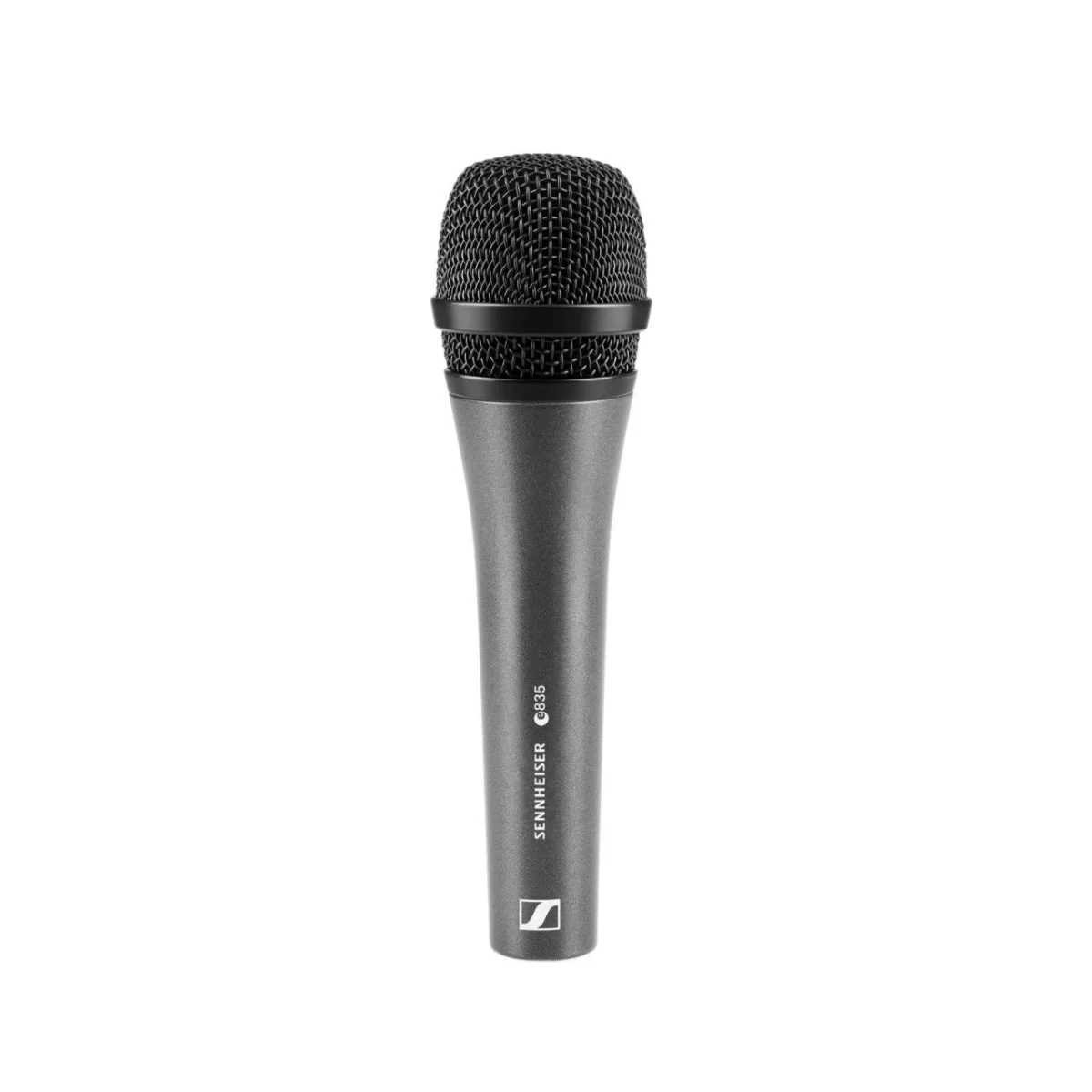
The photographed Sennheiser e835 is another cardioid dynamic stage vocal mic. Sennheiser lists a 40 Hz–16 kHz response, 350-ohm nominal impedance, metal housing and a hum-compensating coil. Its off-axis consistency and vocal voicing differ from the SM58, so the better choice depends on the singer, PA and monitor position. Compare them through the same signal chain when possible.
Compare sE V7 for a tighter supercardioid pattern
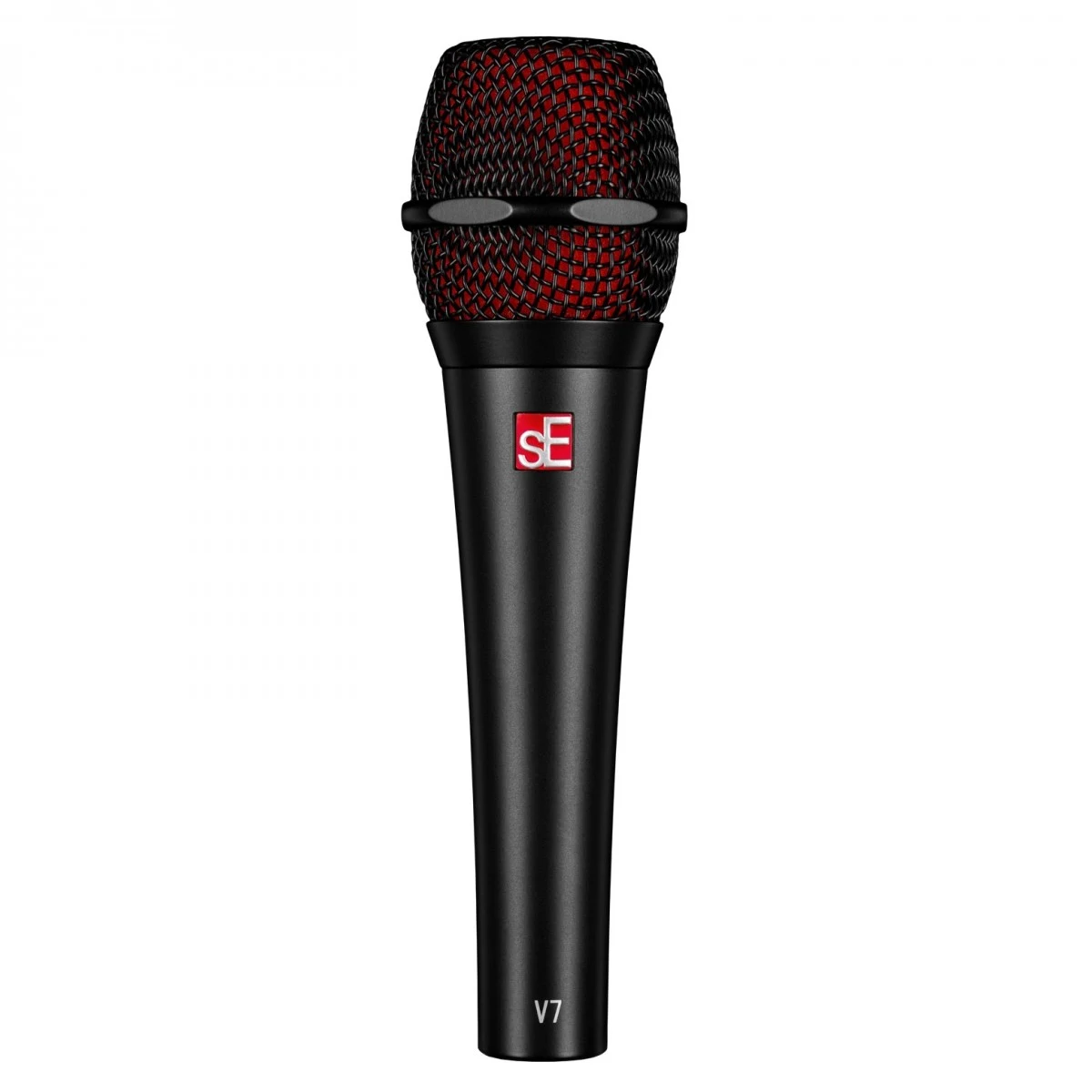
The photographed sE Electronics V7 uses a supercardioid dynamic capsule with a published 40 Hz–19 kHz range and 300-ohm impedance. Its tighter pickup can provide useful stage isolation, but supercardioid microphones have a rear sensitivity lobe that changes safe monitor placement. Choose it only if you understand the pattern and can arrange wedges or speakers accordingly.
The buying call
Choose the SM58 for close live vocals or speech when you already have—or are willing to buy—a proper XLR signal chain. Choose e835 when its cardioid voicing and off-axis behavior suit the performer, or V7 when tighter supercardioid isolation fits the stage layout. Choose a USB mic if direct computer connection is the priority. Ryan has not claimed to own or test this SM58; this guide is based on manufacturer specifications.
Compare the shopping options
Sennheiser e835 — cardioid dynamic vocal alternative with a 40 Hz–16 kHz response
Product photo: Pro-Stage retailer product photo
sE Electronics V7 — supercardioid dynamic stage mic with a tighter pickup pattern
Product photo: Gear4music product photo
Sources and review basis
Researched November 19, 2026. Ryan’s own experience is attributed where supplied. Other judgments are buying advice based on the cited product information, not a hands-on comparison or laboratory test. Prices and availability are checked at the retailer.
- Shure official SM58 product page and model features
- Shure official SM58 user guide with type, pattern, response, impedance, connector and weight
- Shure official SM58 specification sheet with package differences
- Amazon listing for Shure SM58, ASIN B000CZ0R42 (paid link)
- Sennheiser official e835 product page and technical specifications
- sE Electronics official V7 product page and technical specifications
- Product photo: Sennheiser e835 — cardioid dynamic vocal alternative with a 40 Hz–16 kHz response
- Product photo: sE Electronics V7 — supercardioid dynamic stage mic with a tighter pickup pattern