Tools & Home Improvement / PRODUCT GUIDE
Titebond III 4 oz wood glue: Type I water resistance with joint-prep limits
This four-ounce bottle is Titebond III Ultimate part 1412, a one-part PVA woodworking adhesive for interior and exterior fitted wood joints. It passes the ANSI/HPVA Type I water-resistance test and cleans up with water while wet, but it is not structural adhesive, gap filler or glue for continuous submersion.
As an Amazon Associate I earn from qualifying purchases.
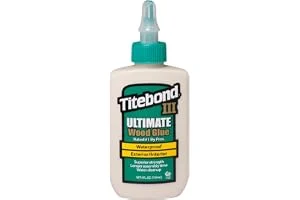
View Titebond III Ultimate Wood Glue, 4 oz on Amazon (paid link) ↗
Confirm part 1412 and the four-ounce bottle
ASIN B0002YQ378 identifies Titebond III Ultimate Wood Glue part 1412, UPC 037083014129, in the four-fluid-ounce bottle. Larger Titebond III containers and similarly colored Titebond II bottles appear in the same searches. Match the III name, green label, part number and volume before comparing the offer.
Type I water resistance does not mean underwater use
Titebond says the cured adhesive passes the ANSI/HPVA Type I water-resistance specification and is designed for interior and exterior applications. The same official limitations say it is not for continuous submersion or use below the waterline. It can suit properly built outdoor furniture, but not a boat repair, aquarium or permanently wet joint.
The joint still needs close wood-to-wood contact
Wood glue develops strength across mating surfaces; it is not a substitute for missing material or poor joinery. Dry-fit the pieces, remove dust, oil and old finish from the bond area, and make sure clamps can close the joint before spreading glue. Large gaps, end-grain-only joints and decayed wood may require redesign rather than extra adhesive.
The working window is measured in minutes
At 70°F and 50% relative humidity, Titebond publishes an eight-to-ten-minute open assembly time and a 20-to-25-minute total assembly time. Heat, cold, humidity, porous wood and a large glue-up change the practical window. Lay out clamps and cauls first, then glue only an assembly you can align before the stated time closes.
Temperature matters during application
The official guideline lists an application temperature above 47°F, and its limitations require the glue and materials to remain above 45°F. A cold garage, frozen bottle or chilled workpiece can undermine the process even if the afternoon warms later. Bring materials into a suitable environment and follow the technical sheet rather than relying on air temperature alone.
Use enough pressure to close the joint, not crush it
Titebond gives general pressure ranges of 100–150 psi for softwoods, 125–175 psi for medium woods and 175–250 psi for hardwoods. Those are joint-pressure figures, not a direction to tighten every clamp as hard as possible. Even squeeze-out and closed gaps are useful signs; excessive pressure can bow parts or starve a poorly fitted joint.
Wet cleanup is easier than cured cleanup
The water-based formula can be wiped with a damp cloth while wet. Once dry, Titebond directs users to scrape or sand the excess. Smearing a wet puddle across surrounding grain can make finishing harder, so remove squeeze-out deliberately and test the planned stain or clear coat on scrap from the same wood.
Indirect food-contact compliance has a narrow meaning
Titebond describes the cured product as FDA-compliant for indirect food contact, including cutting-board applications. That does not make liquid glue edible, dishwasher-proof or suitable as a food-surface coating. Build a tight joint, allow the adhesive to cure under the official instructions and maintain the finished board according to the wood and finish requirements.
It is not a structural or load-bearing adhesive
The manufacturer specifically excludes structural and load-bearing applications. Do not use this bottle as the sole repair for a broken ladder, chair joint carrying a person, building component or overhead object. A safety-critical repair may need mechanical fasteners, a rated structural adhesive or replacement by a qualified person.
Compare Mod Podge Gloss for decoupage surfaces
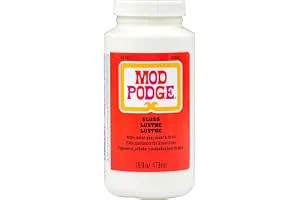
The cataloged 16-ounce Mod Podge Gloss is a water-based glue, sealer and glossy finish intended for decoupage on compatible craft surfaces. It brushes across paper and can become the visible topcoat. It is not a replacement for a clamped wood joint; choose it when attaching and coating decorative layers is the actual job.
Compare Elmer’s E562 for school paper projects
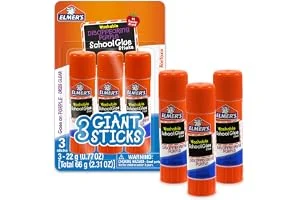
The cataloged Elmer’s giant purple sticks apply visibly and dry clear on paper, cardboard, foam board and display board. They are quicker and cleaner for posters or classroom crafts, but they are not exterior wood adhesive. Choose the glue stick for light porous paper work and Titebond III for fitted wood parts that can be clamped.
The buying call
Choose Titebond III part 1412 for small interior or exterior woodworking jobs with clean, close-fitting joints, suitable temperature and proper clamping. Choose Mod Podge for decoupage or Elmer’s for school paper. Ryan has not claimed to own or test this exact bottle; this guide follows Titebond’s published timing, pressure and use limits and does not invent a universal cure result.
Compare the shopping options
Mod Podge Gloss 16 oz — brush-on glue, sealer and finish for decoupage
Elmer’s E562 giant purple sticks — visible washable adhesive for paper crafts
Sources and review basis
Researched November 20, 2026. Ryan’s own experience is attributed where supplied. Other judgments are buying advice based on the cited product information, not a hands-on comparison or laboratory test. Prices and availability are checked at the retailer.
- Titebond official Titebond III features, part 1412, application guidelines and limitations
- Exact four-ounce part 1412, UPC and ASIN B0002YQ378 record
- Amazon listing for Titebond III 4 oz, ASIN B0002YQ378 (paid link)
- Plaid official Mod Podge Gloss product information
- Amazon listing for Mod Podge Gloss, ASIN B00178QQJ8 (paid link)
- Elmer’s official E562 giant purple glue-stick specifications
- Amazon listing for Elmer’s E562, ASIN B00143SNPG (paid link)